


Predictive maintenance
Catch machine faults weeks early. Fix them on your schedule.
Chladni is an extension of your maintenance team, sensors on every machine, a system that learns each one's normal, and a real analyst behind every report. One low monthly price, everything included.
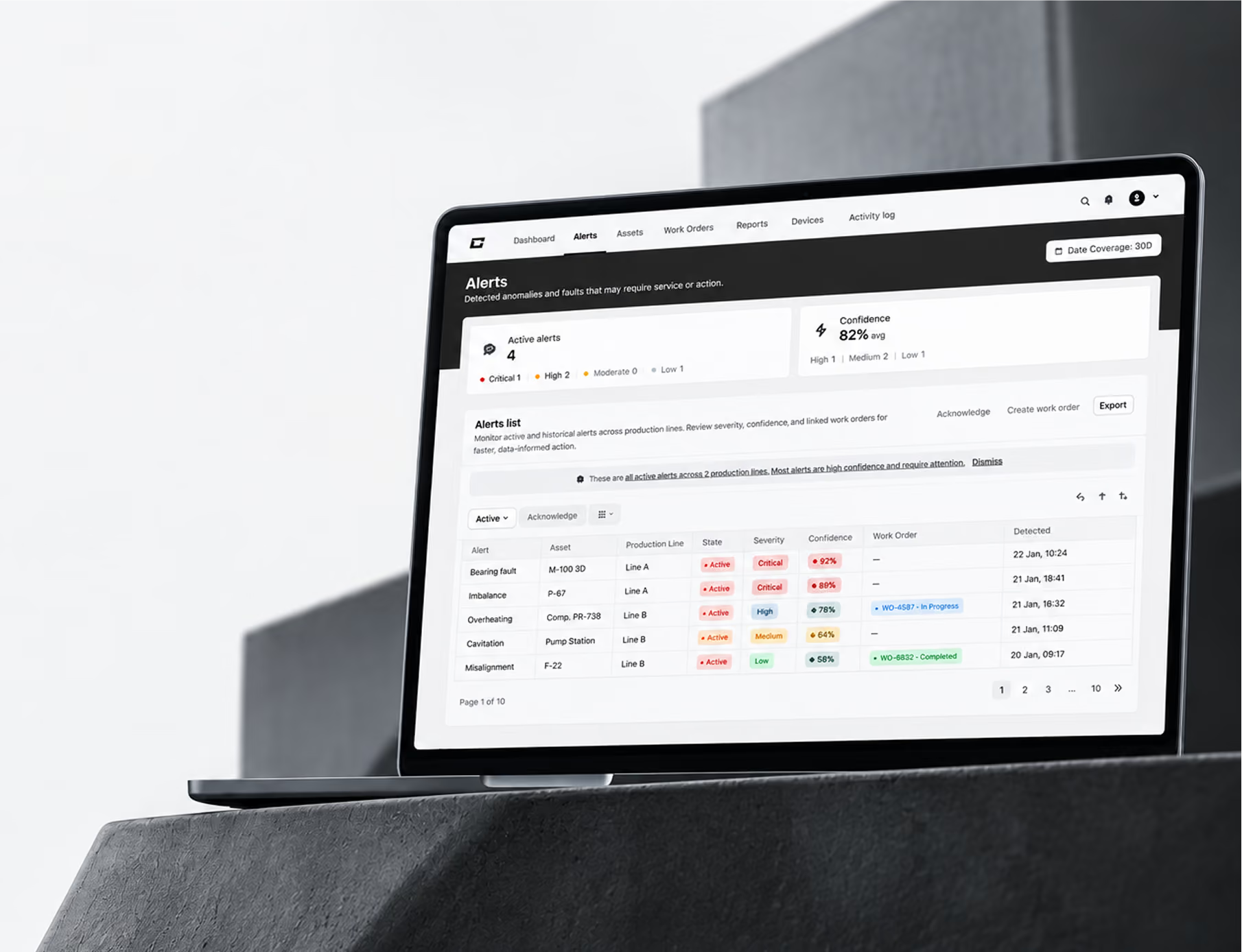
CHLADNI gives you the hardware, the platform, and the human analysts for one low monthly price — so breakdowns become planned repair windows instead of 2am ambushes.
$79 /asset/mo
everything included
$0
Free installation / Set up
90 days
risk-free, full refund
Day 30
first analyst report
Catch machine faults weeks early. Fix them on your schedule.
Chladni is an extension of your maintenance team — sensors on every machine, a system that learns each one's normal, and a real analyst behind every report. One low monthly price, everything included.
If a motor's in the circuit, we hear it.
No motor - tanks, piping, structure - we'll tell you straight, free, off your machine list.
Or call us: +1 640-221-3449. A human answers.
The whole system, explained in one Video.

How it works
From install to insight, we carry the load.
Step 1
Install — without stopping production
Our technicians sticks the vibration sensor using epoxy on running machines in minutes each, no drilling, no shutdown. Your electrician clamps the MCA current sensors in the panel; nothing gets cut or rewired. Our analysts photo-verify every single mount before go-live.
Learn about our platform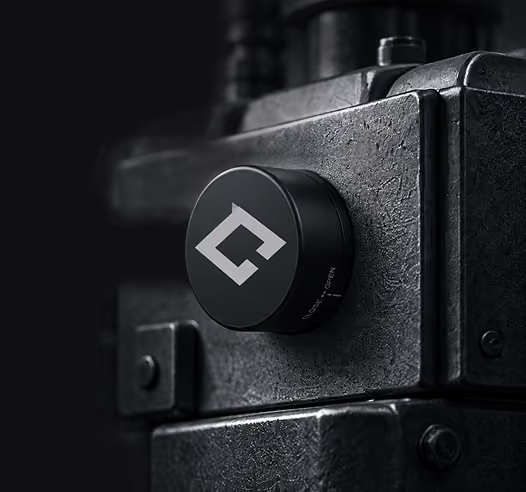
Step 2
Connect — with zero IT project
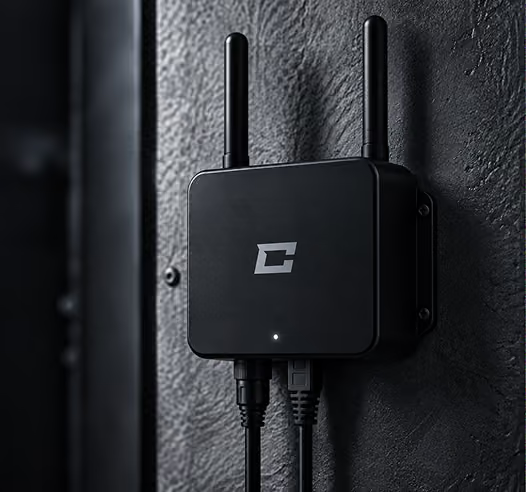
One gateway on the wall sends everything up over your plant network or cellular. No server in your rack, no network integration, nothing for IT to babysit, connectivity is included in the price.
Step 3
Analyze — against each machine's own normal
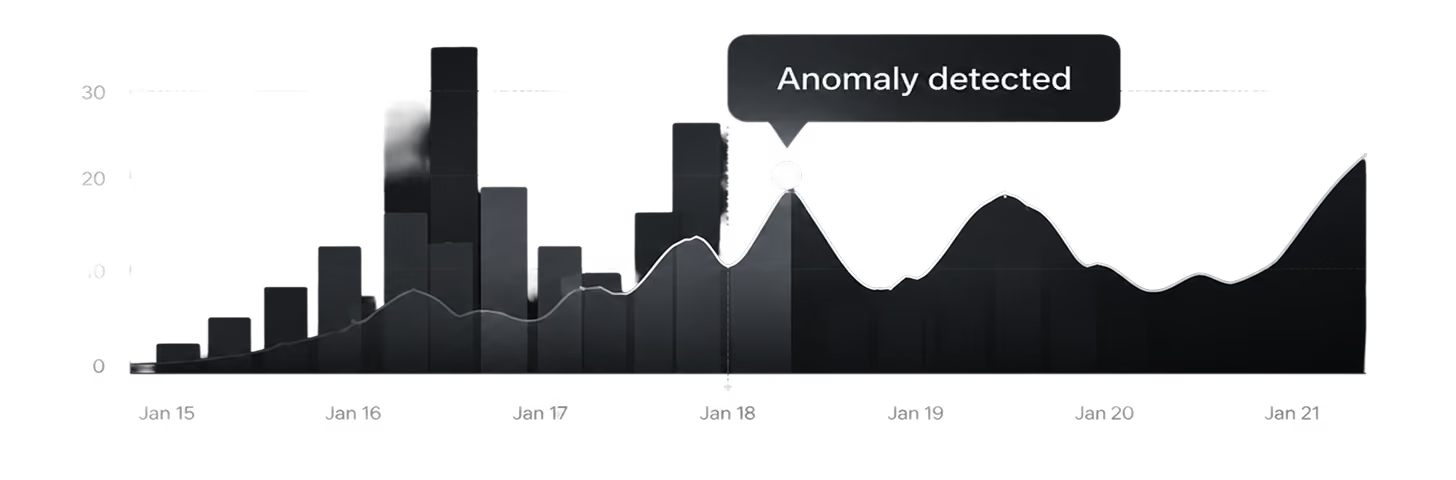
The system learns every machine's baseline over its first weeks, then judges each pattern three ways: the physics, the model, the trend. A spike is ignored. A pattern gets named and our engineers double check it. No alert floods, ever.
Step 4
Partner — a real analyst on your side
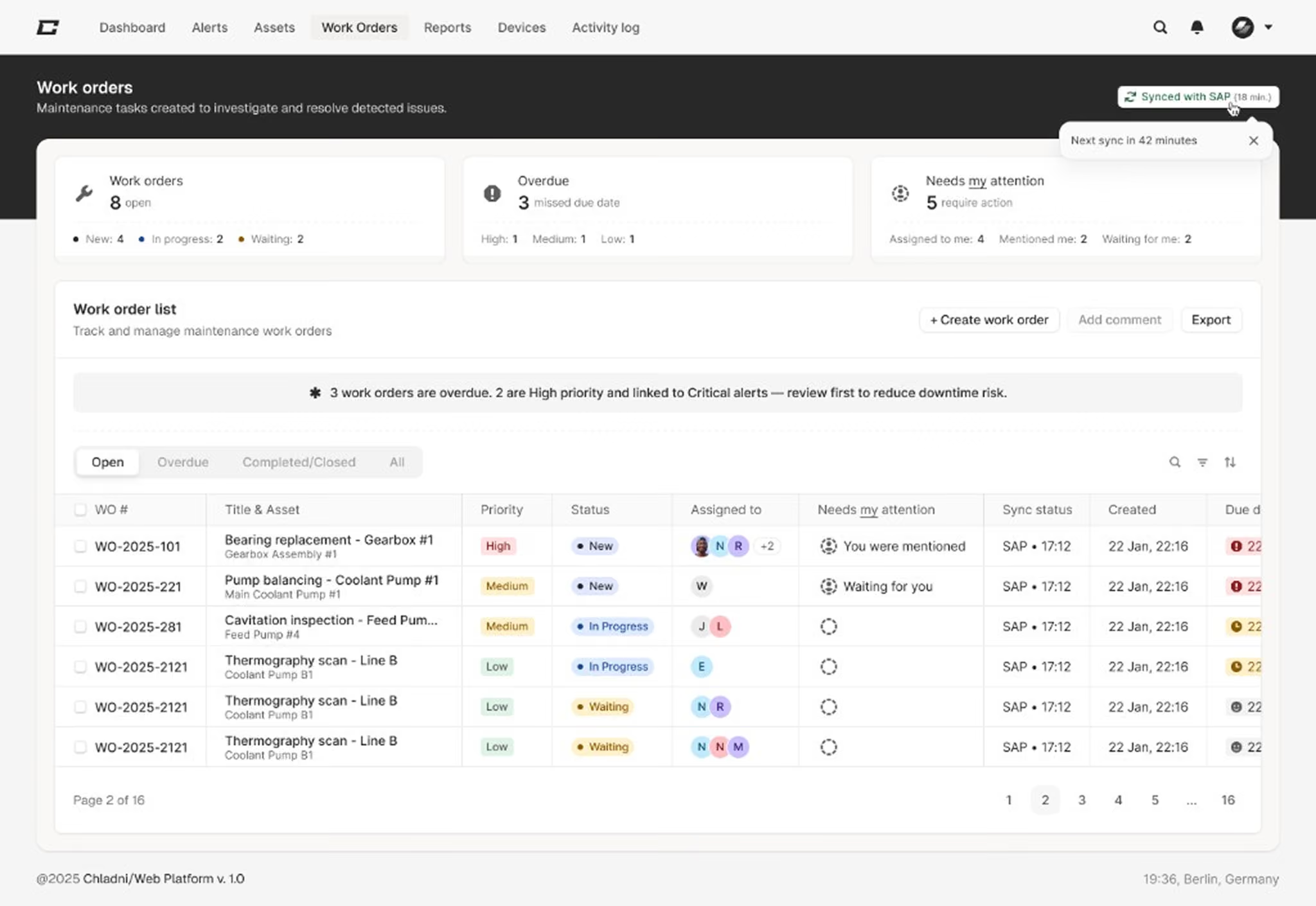
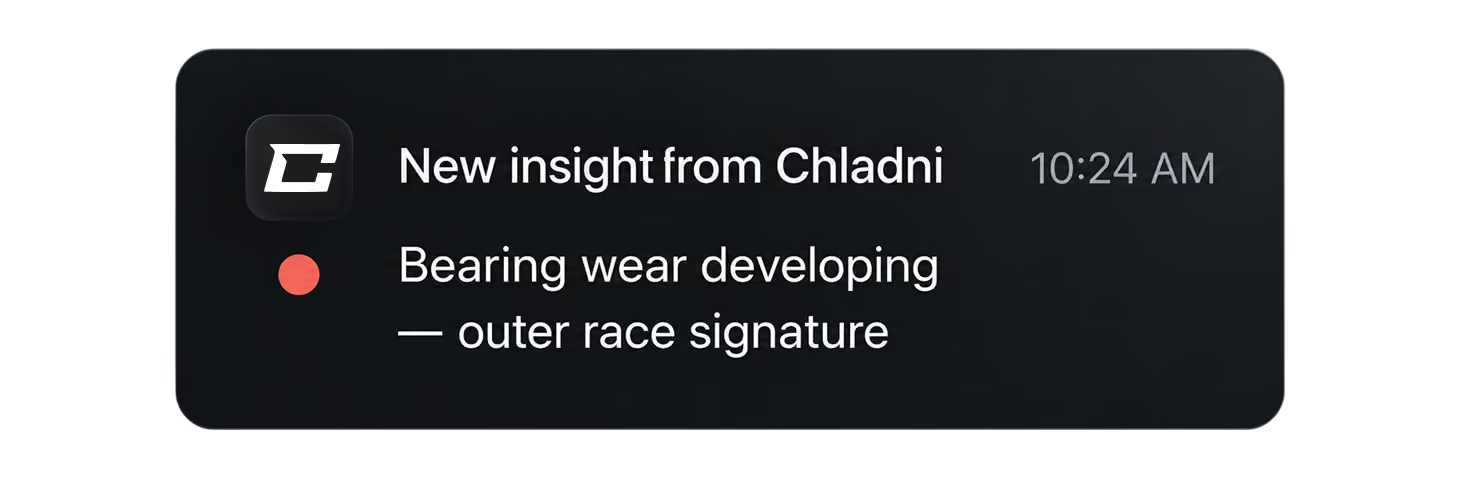
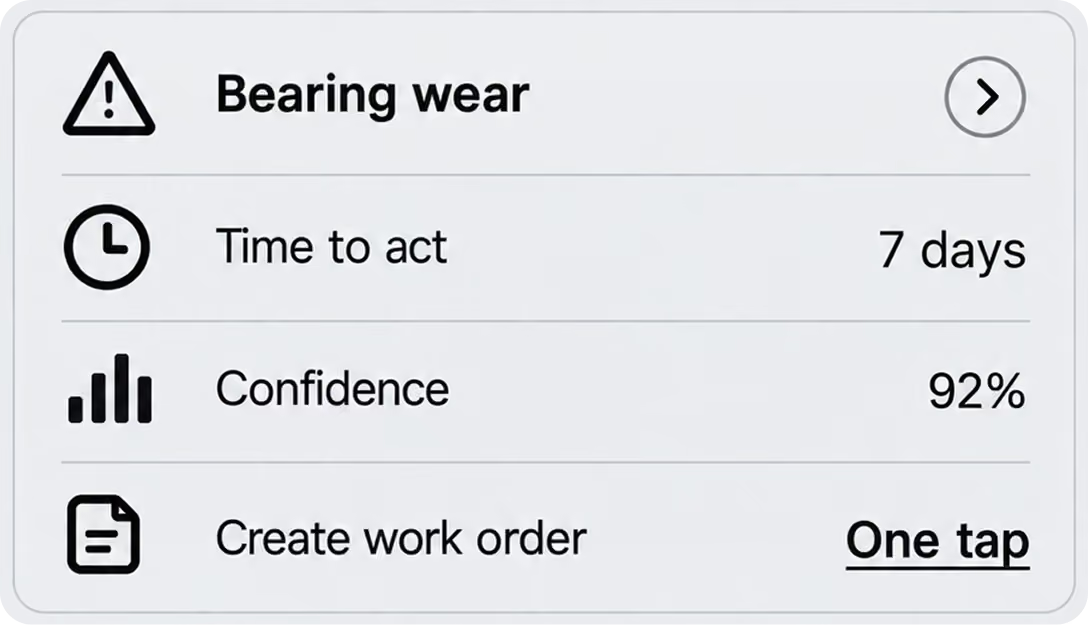
A named alert lands with the fault, the urgency, and time to act after being checked by our engineers, one tap turns it into a work order. And a Chladni analyst reviews your plant health report every month, starting by day 30.
Learn about the hardwareStep 5
Improve — and prove it
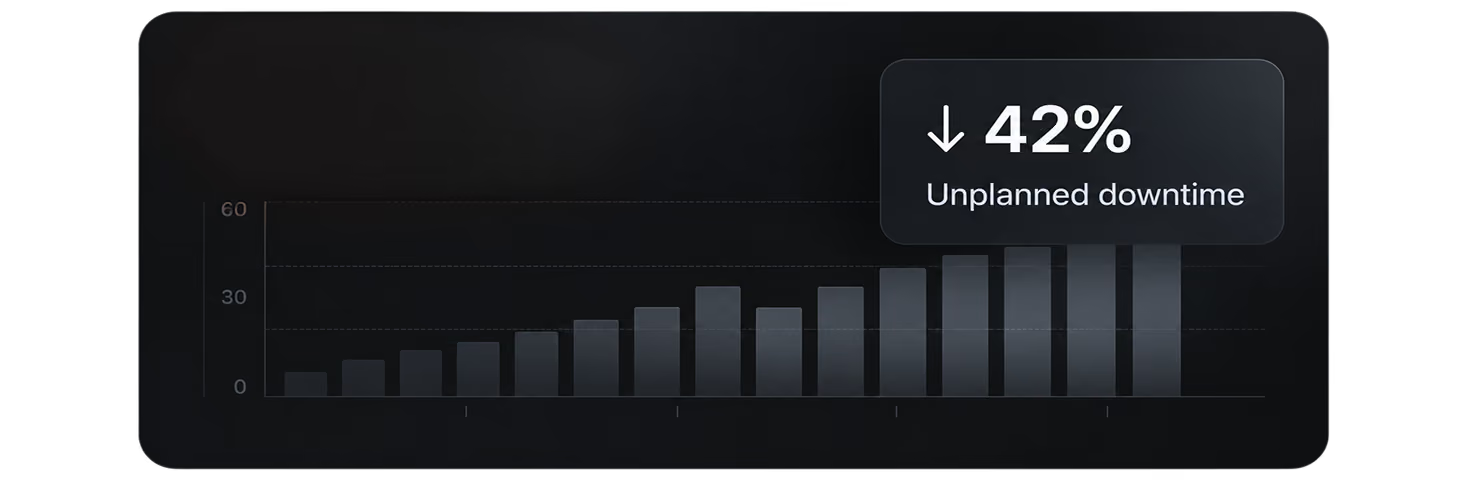
The documented record of every catch keeps growing, which machine, what fault, how early it was called. Proof of what your crew prevented, and ammunition for the budget meeting.
Inside the system
How a fault becomes an alert.
Every reading runs this gauntlet. Almost none get through — that's the point.
01 Machine reading
Every hour, every machine
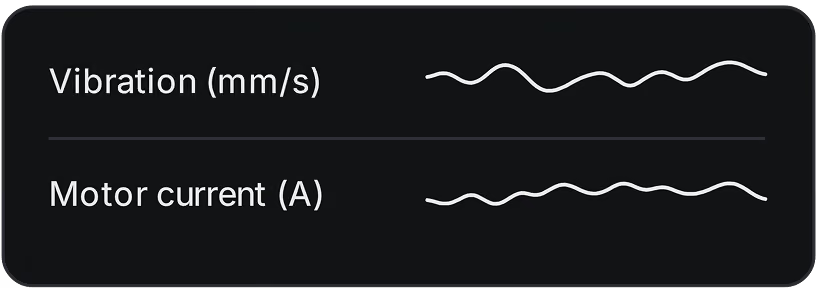
Vibration and motor current, judged against that machine's own learned normal, not a generic threshold.
02 AI+Physics
Check 1 · AI
Anything the machine hasn't done before?
Check 2 · Physics
Is a real fault signature there?


Every hour, every machine
Vibration and motor current, judged against that machine's own learned normal, not a generic threshold.
03 Trend
The fault gets a name after the expert's validation
Unbalance, misalignment, bearing wear, looseness, electrical with its urgency.
Check 3 · Trend
Logged to the machine's history and health score. A one-off spike stops here. A pattern that persists moves on.
04 alert
The alert
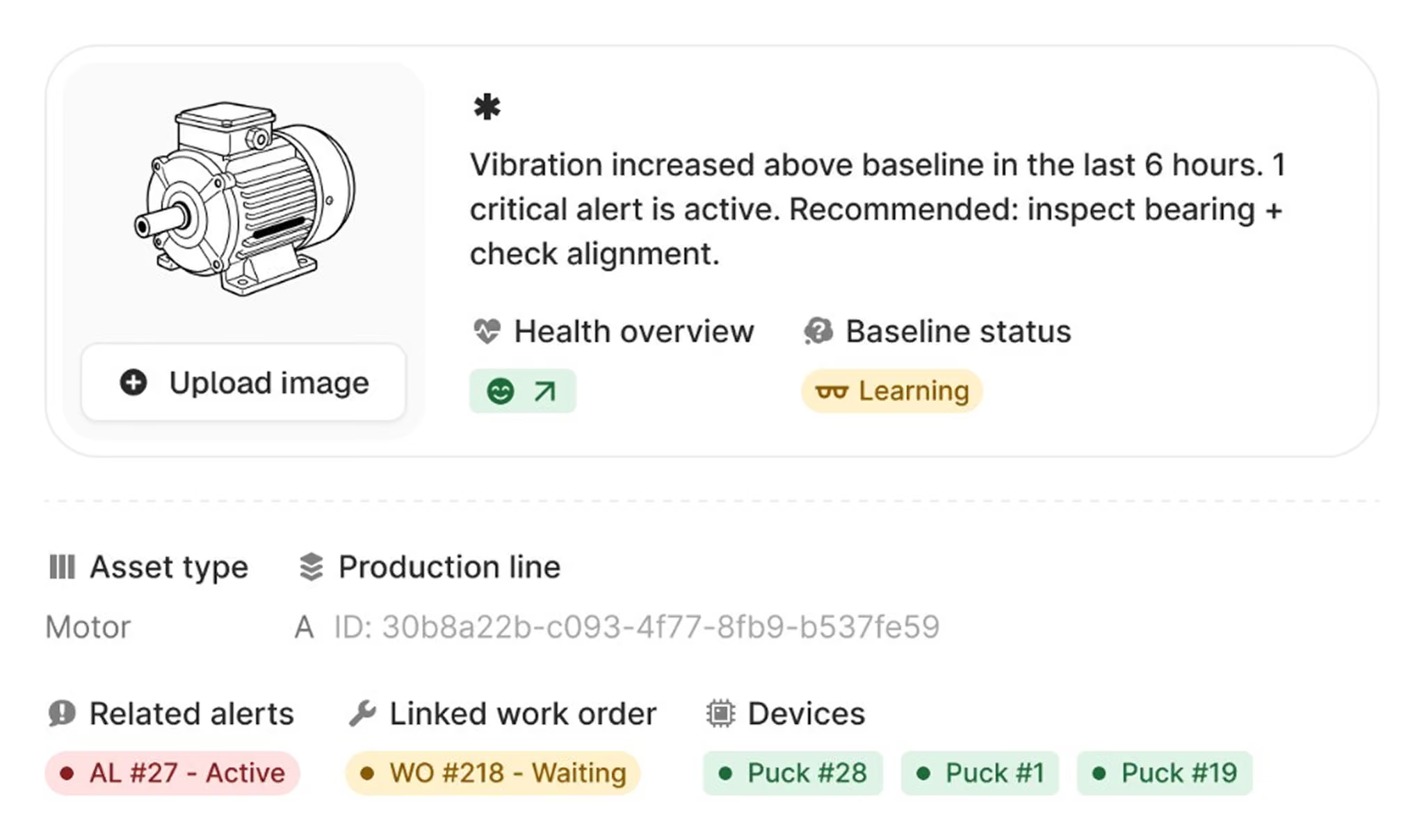
Fault · urgency · time to act — one tap to a work order.
Why we're different
The usual way vs. the Chladni way.

Chladni
Other providers
$79 per machine, per month — built around maximizing customer ROI, not maximizing our price.
Priced to maximize contract value, with higher minimums and narrower deployments that make it harder to monitor more of the plant.
Three independent checks before an alert exists. A spike is ignored. A pattern gets named.
Alarm floods against generic thresholds, until the crew mutes the system
Send the machine list — a verdict on every line and your exact price in one business day. No meeting.
Site surveys and sales meetings before you ever see a price
A real analyst reviews your plant health report every month — and alerts arrive as one-tap work orders.
Dashboards you babysit and interpret yourself


What Chladni Does
Real Results. Real Teams.
Maintenance leaders rely on Chladni to keep their operations running.

Mondi — Paper & Packaging
“For us it’s mostly about avoiding disruption. When one of the main drives starts developing a problem, we now have time to look at it properly, get the parts on site and fit the repair into the production schedule. That is worth much more to us than simply knowing a machine has high vibration.”
Martin K. — Maintenance Manager

Stora Enso — Pulp, Paper & Packaging
“The maintenance team used to come to me when something had already become urgent. Now a lot more of those conversations happen days or weeks earlier. We can decide when to stop the equipment instead of the equipment deciding for us.”
Johan L. — Plant Manager

UPM — Forest & Paper Products
“I wasn’t looking for another system that just tells me vibration is high. What I wanted was enough information to understand whether the condition was actually changing and how quickly. Having that continuous history has made it much easier to decide what deserves an inspection and what can wait.”
Mikko S. — Reliability Engineer

Borealis — Chemicals & Plastics
“One avoided production interruption can change the economics very quickly for us. The value isn’t really the sensor itself—it’s knowing about the problem while we still have options. We can coordinate production, maintenance and materials instead of dealing with everything during an emergency.”
Thomas B. — Operations Manager
Solvay — Specialty Chemicals & Materials
“The guys actually use it. That was my biggest concern. We already have enough software in the plant. With Chladni they can open the system, see which machine needs attention and go look at it. It didn’t turn into another dashboard nobody checks after three months.”
Marc D. — Maintenance Supervisor

Huhtamaki — Packaging Manufacturing
“We didn’t start by putting it on every machine. We selected the equipment where a failure would hurt production the most and proved it there first. Once the team saw the alerts line up with what we were finding on the machines, expanding the program became a much easier conversation internally.”
Anna K. — Reliability Manager

CMMS integrations
Your connected maintenance workflow

Findings & work orders
Repair updates
Supported integrations. Your team stays in the tools it knows.
Pricing
Hardware, platform, and Human analysts, one low monthly price.
This is where other vendors hide the surprises. We don't have any.
- One Asset = one motor plus whatever it drives. A conveyor with three drive motors counts as three.
- Custom & large multi-motor systems: Pricing scales down as the number of monitoring points increases.
- Over 150 machines: whole-plant custom pricing — usually beats the flat math.
Start at $79 per machine per month

Sensors & Gateway
Access to the platform and 7/7 days support.
Human experts validate detected faults with monthly analyst-reviewed plant health reports.
We take care of the installation
Hardware serviced & replaced by us, forever
FAQ
The ten questions everyone asks.
How does the Chladni system work?

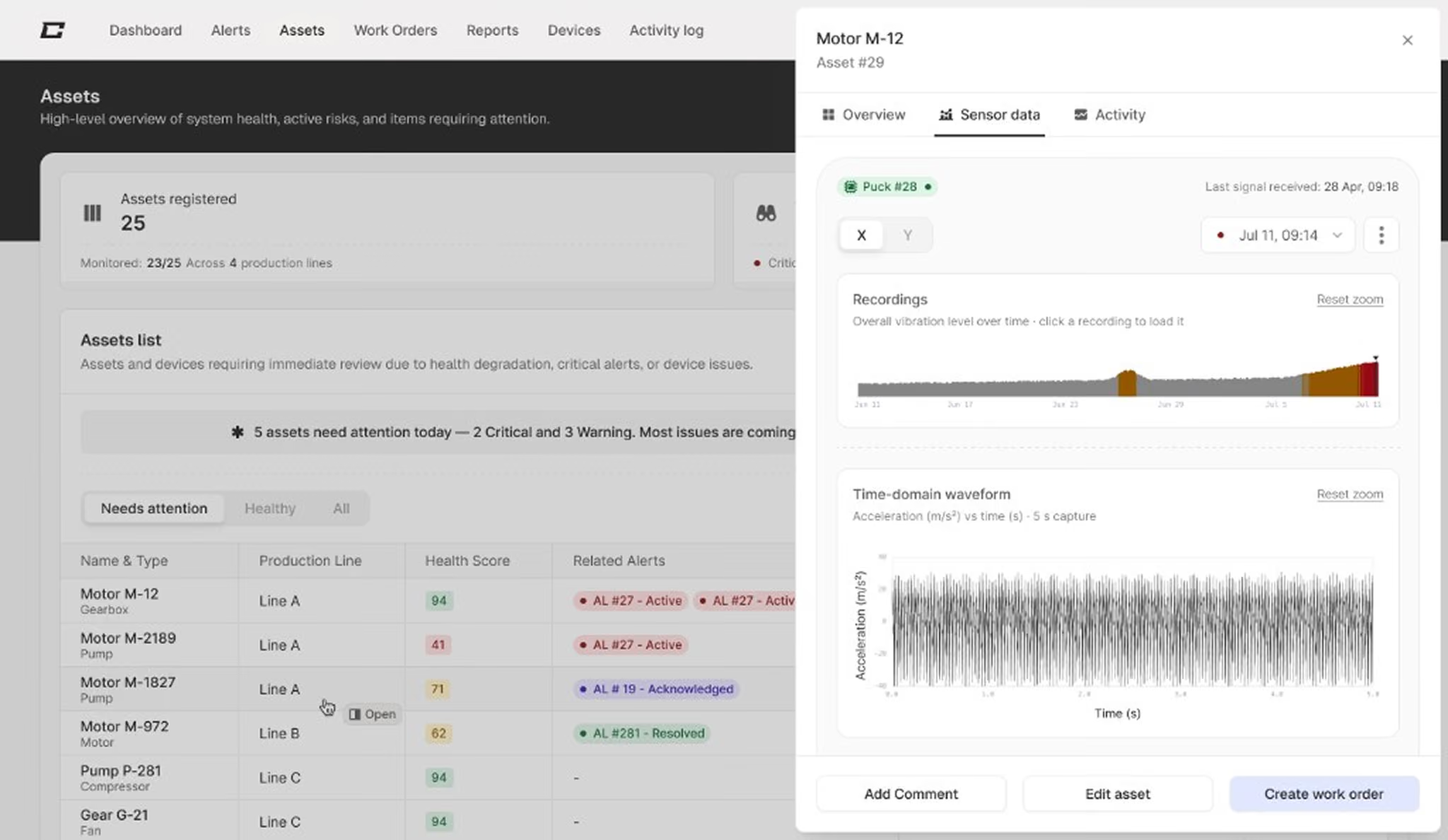
Our sensors collect measurements from your machines. Our platform and algorithms analyze those readings for signs of developing faults and changes in machine behavior. Our experts then review the findings, so your team receives expert-reviewed alerts to help investigate issues, prepare repairs and coordinate maintenance with production.
What comes with the system?
Chladni monitors all types of rotating and motor-driven equipment, including motors, pumps, fans, blowers, compressors, gearboxes, conveyors, mixers, crushers and extruders, etc., from critical production machinery to supporting equipment and custom-built machines. Our platform and algorithms analyze machine data, with expert-reviewed alerts helping your team identify developing faults and plan maintenance.
What types of machines can Chladni monitor?
Chladni monitors all types of rotating and motor-driven equipment, including motors, pumps, fans, blowers, compressors, gearboxes, conveyors, mixers, crushers and extruders—from critical production machinery to supporting equipment and custom-built machines
What will our team see in the platform?
Your team can review machine-health information and findings about potential developing faults. This provides a clearer starting point for deciding what to investigate and preparing maintenance work. Expert review and your monthly plant health report help your team understand the findings.
How does the system avoid false alarms?
Our algorithms look for known fault patterns, compare readings with your machine’s normal behavior and track changes over time. Our experts then review the findings before alerts reach your team, helping reduce false alarms and highlight developing problems that need attention
How do you keep false alarms down?
Every alert has to pass three checks: the physics (known fault signatures), the model (your machine's own learned baseline), and the trend (persistent patterns page you — single spikes never do). Findings are cross-checked across vibration and motor current. A spike is ignored. A pattern gets named.
Didn't find your question? Call +1 640-221-3449 — a human answers.
Start risk-free
Try it for 90 days. Full refund if it's not for you.
Start at $79 per machine per month & Free Installation
© 2026 Chladni Industrial Systems · Predictive maintenance for motor-driven equipment